Datu centru energoapgādes jautājumi īsā laikā ir būtiski mainījušies. Vēl nesen galvenais jautājums bija, kur būvēt jaunus datu centrus. Šodien arvien biežāk sarežģītākais jautājums ir – kā nodrošināt tiem nepieciešamo elektroenerģiju.
Mākslīgā intelekta risinājumu radītā skaitļošanas slodze, elektrifikācija, elektrotīklu jaudas ierobežojumi un straujais atjaunīgās elektroenerģijas ražošanas pieaugums rada arvien lielāku slodzi energosistēmām Eiropā un citviet pasaulē.
Energoietilpīgiem objektiem gadiem gaidīt elektrotīkla pieslēguma jaudas palielināšanu ne vienmēr ir reāls risinājums. Savukārt enerģijas ražotājiem izaicinājums ir cits, bet cieši saistīts – kā nodrošināt uzticamu un elastīgi vadāmu ražošanas jaudu laikā, kad atjaunīgās elektroenerģijas ražošana svārstās un pieprasījums sasniedz maksimumu.
Tāpēc modulārās gāzes dzinēju elektrostacijas no specifiska risinājuma kļūst par stratēģiski nozīmīgu energoapgādes infrastruktūras daļu.
The Wall Street Journal šai tendencei pievērsis uzmanību rakstā “Small-Engine Makers Gain Big Momentum in Data Centers”. Tajā norādīts, ka datu centru attīstītāji arvien biežāk izvērtē gāzes virzuļdzinējus kā praktisku risinājumu situācijās, kad elektrotīkla pieslēgums vai nepieciešamās jaudas palielināšana jāgaida ilgi, turbīnu piegādes termiņi ir gari, bet elektroenerģijas pieprasījums turpina strauji pieaugt.
Kāpēc Jenbacher gāzes dzinējiem tiek pievērsta arvien lielāka uzmanība
Iemesls ir vienkāršs – datu centriem nepieciešama elektroenerģija, kas ir pieejama, vadāma un mērogojama.
“Rakstā pamatoti uzsvērts, ka INNIO Group Jenbacher dzinēji turpina apliecināt savu piemērotību šo izaicinājumu risināšanai. Mēs ļoti lepojamies ar savu pieredzi vairākās valstīs, projektējot un īstenojot elektrostaciju projektus, kas nodrošina mūsu ikdienai būtiskās infrastruktūras energoapgādi,” saka FILTER izpilddirektors Egert Killing.
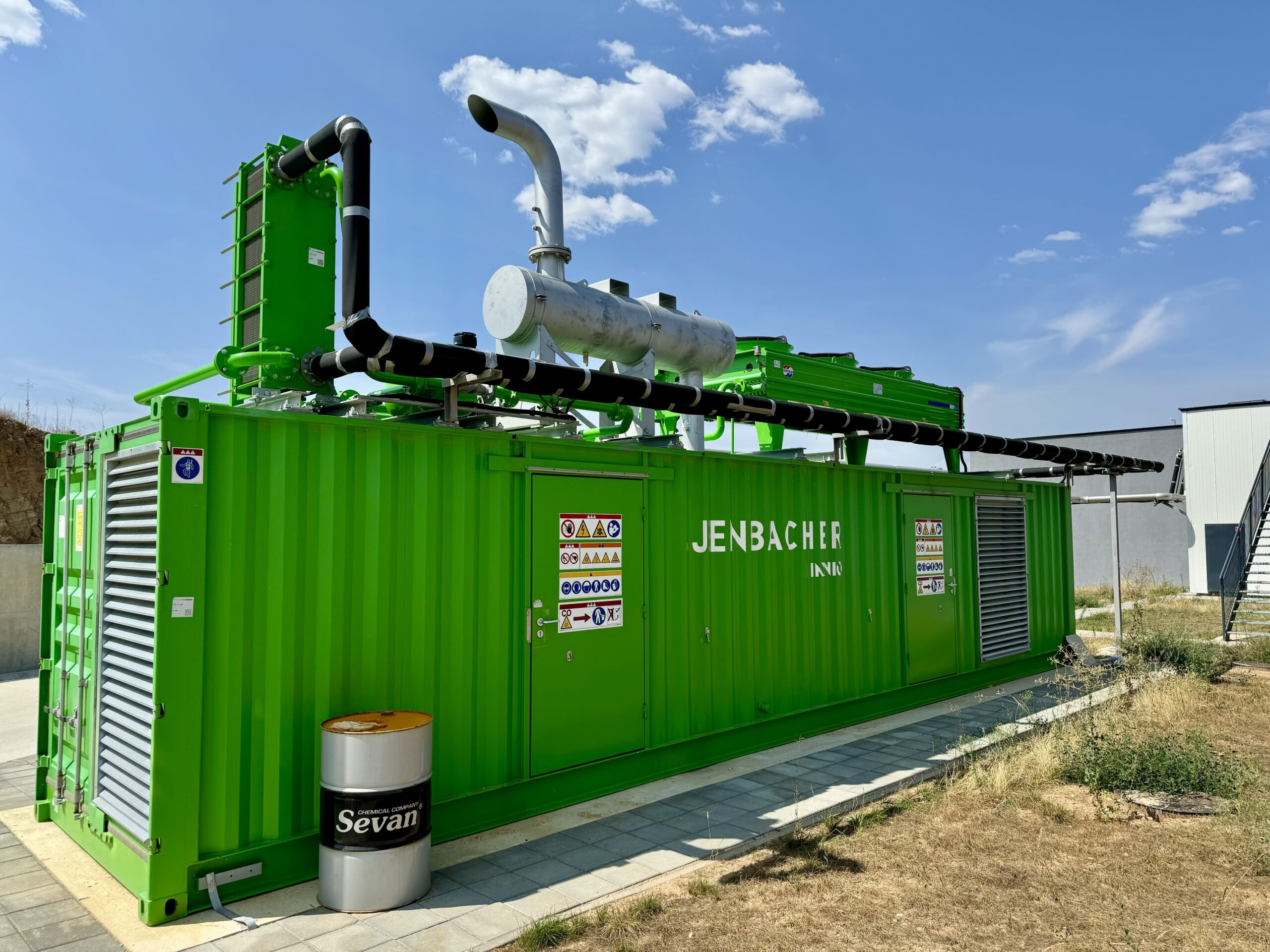
Jenbacher gāzes dzinēji ir paredzēti decentralizētai elektroenerģijas ražošanai, koģenerācijai, elektrotīkla balansēšanai un kritiski svarīgu objektu energoapgādei. Atkarībā no modeļa to elektriskā jauda ir no 250 kW līdz 10,6 MW. Jenbacher dzinēji var darboties ar dažādiem gāzveida kurināmajiem – no dabasgāzes līdz atjaunīgajām gāzēm.
Lielos projektos modularitātei ir būtiska nozīme. Elektrostacijai nav jābūt balstītai uz vienu lielas jaudas iekārtu. To var veidot no vairākiem gāzes dzinēju ģeneratoru agregātiem, ļaujot pakāpeniski palielināt jaudu, elastīgāk pielāgot darbību faktiskajam pieprasījumam un plānot atsevišķu iekārtu tehnisko apkopi.
Šāda elastība ir svarīga ne tikai datu centriem. Tā ir vērtīga arī energouzņēmumiem, rūpniecības uzņēmumiem, centralizētās siltumapgādes operatoriem un elektroenerģijas ražotājiem, kuriem mainīgā energosistēmā nepieciešamas dispečējamas ražošanas jaudas.
FILTER ir oficiālais Jenbacher gāzes dzinēju izplatītājs Baltijas valstīs un Bulgārijā, nodrošinot vietējo kompetenci, projektu attīstību un atbalstu visā iekārtu dzīves ciklā.
Trīs būtiskākās priekšrocības: darbības gatavība, ātra iedarbināšana un modularitāte
Jenbacher gāzes dzinēju priekšrocības vislabāk atklājas to ekspluatācijā.
Kā norāda Egert Killing, neatkarīgi no tā, vai vairāku mazāku gāzes dzinēju stacija nodrošina datu centra energoapgādi vai palīdz balansēt atjaunīgās elektroenerģijas ražošanas svārstības, būtiskākās priekšrocības ir vienas un tās pašas:
- Augsta darbības gatavība. Pat ja iekārta darbojas tikai 500–2000 stundas gadā, tās bieži ir kritiskās stundas, kad balansēšanas jaudai jābūt pieejamai nekavējoties. Dzinējiem jābūt gataviem darbam tieši tad, kad tie ir nepieciešami.
- Ātra iedarbināšana. Mazākas jaudas dzinējus iespējams ātri sinhronizēt ar elektrotīklu un uzsākt elektroenerģijas ražošanu. Šajā ziņā tradicionālajām turbīnām bieži ir grūti nodrošināt līdzvērtīgu reakcijas ātrumu.
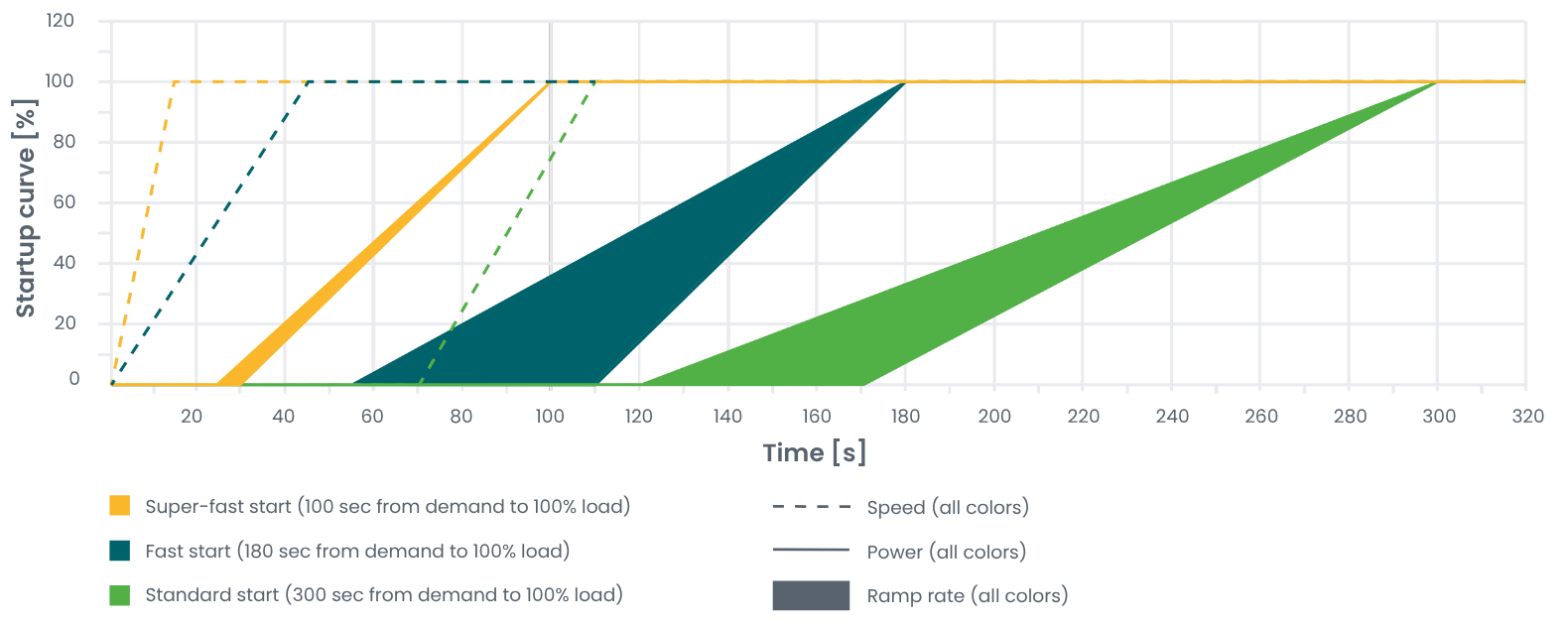
- Modularitāte. Elektrotīkla slodze un datu centru elektroenerģijas patēriņš var ievērojami svārstīties. 50 MW elektrostacija, ko veido vairākas 4,5 MW INNIO Jenbacher gāzes dzinēju iekārtas, var elastīgi nosegt jaudas diapazonu no aptuveni 2 MW līdz 50 MW. Šādu elastību ar vienu lieljaudas dzinēju vai tradicionālu turbīnu nodrošināt ir ievērojami grūtāk.
INNIO ir izstrādājis arī Jenbacher ātrās iedarbināšanas risinājumus datu centriem. Īpašā J620 Fast Start ģeneratoriekārta ar dabasgāzes dzinēju ir paredzēta, lai pilnu 3 MW elektrisko jaudu sasniegtu mazāk nekā 45 sekundēs. Šāda reakcijas spēja ir svarīga, ja slodze strauji mainās vai nepieciešama rezerves energoapgāde, darbība salas režīmā vai elektrotīkla atbalsts.
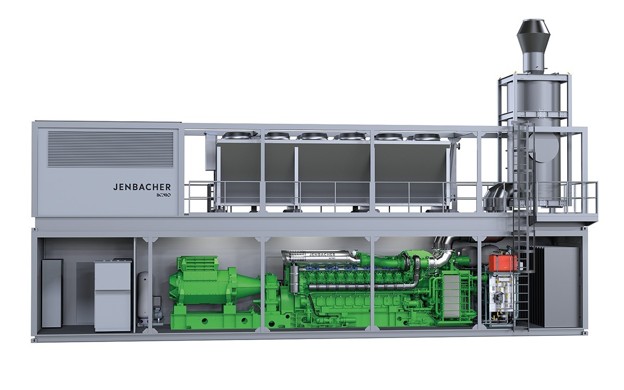
Uzziniet vairāk: JENBACHER J620 FAST START un JENBACHER J624.
Tas nav tikai datu centru jautājums
Mākslīgā intelekta datu centri ir pievērsuši šim jautājumam lielāku uzmanību, taču nepieciešamība pēc elastīgām ražošanas jaudām ir daudz plašāka.
Modernai energosistēmai ir vajadzīga elastība. Vēja un saules elektrostaciju ražošanas apjoms var strauji mainīties. Elektroenerģijas pieprasījums kļūst grūtāk prognozējams, savukārt rūpniecības uzņēmumi arvien vairāk ir atkarīgi no stabilas elektroapgādes un atbilstošas elektroenerģijas kvalitātes. Daudzviet nepietiekama elektrotīkla pieslēguma jauda kļūst par uzņēmumu attīstības ierobežojumu.
Jenbacher tehnoloģija jau tiek izmantota energosistēmas stabilitātes nodrošināšanai. INNIO ir aprakstījis, kā decentralizēti Jenbacher gāzes dzinēji palīdzēja stabilizēt Eiropas elektrotīklu un kā ātri iedarbināmas, dispečējamas dzinēju jaudas var nodrošināt balansēšanai nepieciešamo rezervi.
Būtiskākais ir tas, ka gāzes dzinēji nav tikai rezerves iekārtas. Pareizi konfigurēta gāzes dzinēju stacija var kļūt par aktīvu energosistēmas daļu.
To var izmantot datu centru energoapgādei, elektrotīkla balansēšanai, maksimālās slodzes segšanai, elektroenerģijas ražošanai rūpniecības uzņēmuma pašu patēriņam, koģenerācijai, centralizētajai siltumapgādei, rezerves energoapgādei un atjaunīgās enerģijas integrācijai.
Siltuma atgūšana maina projekta ekonomiku
Daudzos projektos elektroenerģija ir tikai daļa no ieguvuma.
Ja saražoto siltumu iespējams izmantot uz vietas, gāzes dzinēju elektrostaciju var projektēt kā koģenerācijas risinājumu, kas vienlaikus ražo elektroenerģiju un lietderīgi izmantojamu siltumu. Tas ļauj efektīvāk izmantot kurināmā enerģiju un var uzlabot projekta ekonomisko pamatojumu rūpniecības uzņēmumos, centralizētās siltumapgādes sistēmās un objektos ar pastāvīgu siltumenerģijas pieprasījumu.
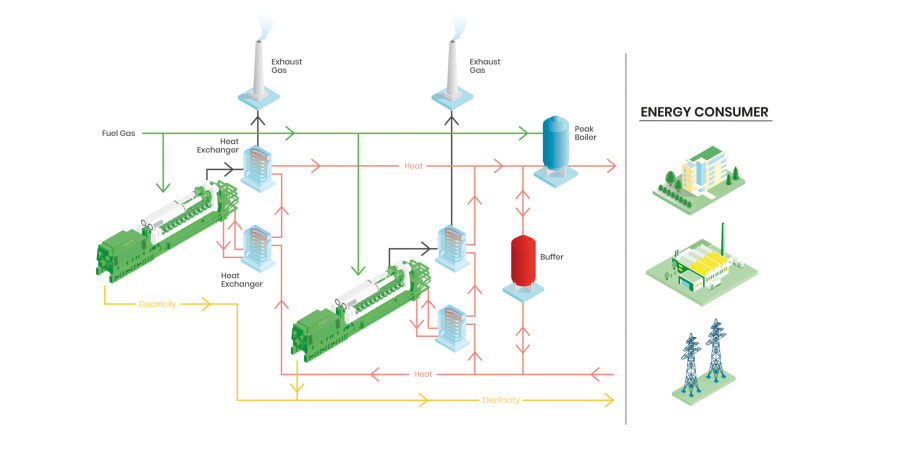
Šis aspekts ir svarīgs, jo daudzi potenciālie projekti nav tikai elektroenerģijas ražošanas projekti. Tie ir integrēti energosistēmu projekti, kuros vienlaikus jāvērtē elektroenerģija, siltums, energoapgādes drošums, kurināmā stratēģija, emisiju prasības un serviss visā iekārtu dzīves ciklā.
Tādēļ izšķiroša nozīme ir kvalitatīvam inženiertehniskajam risinājumam.
No dzinēja līdz pilnvērtīgi strādājošai elektrostacijai
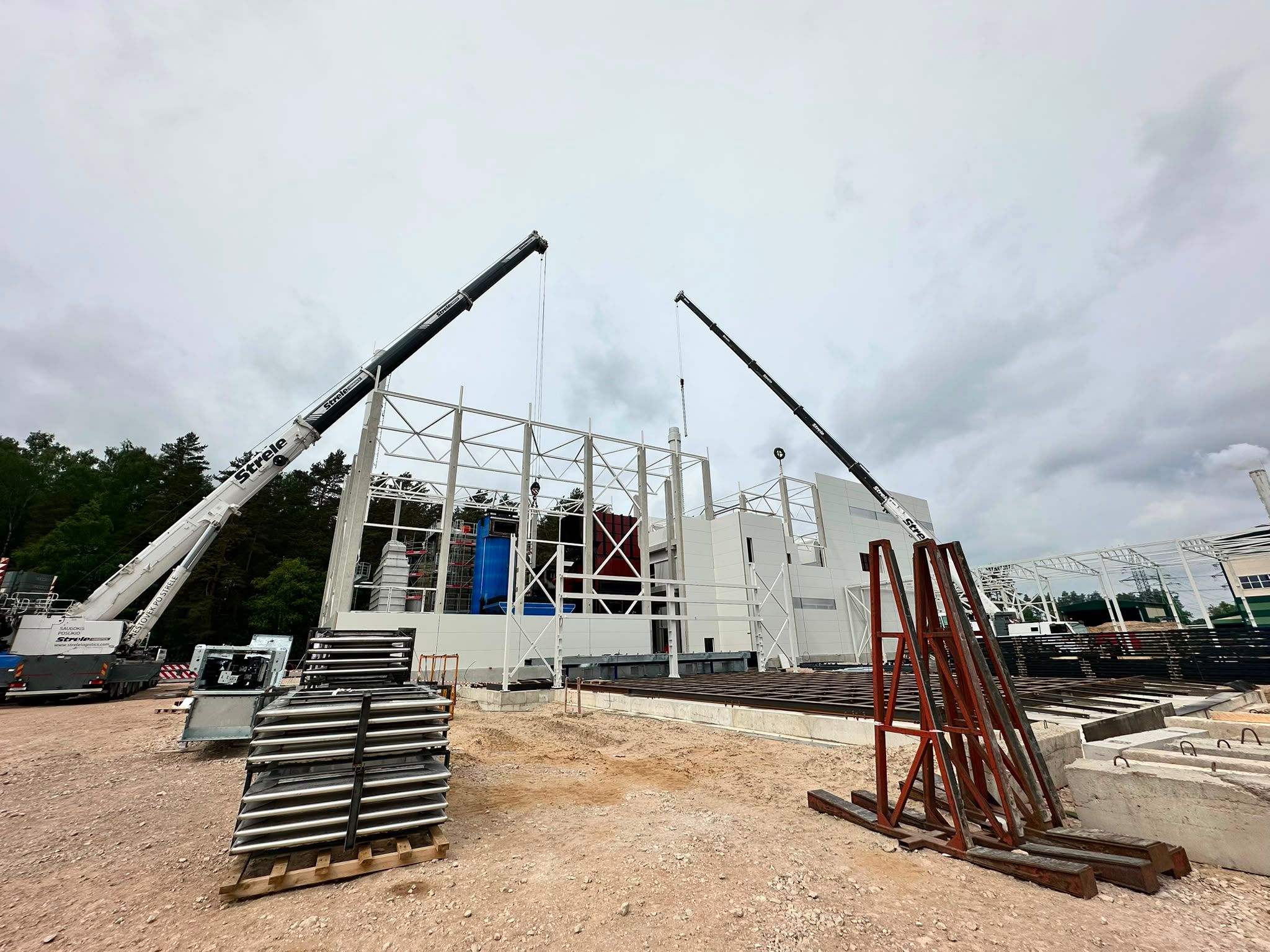
Veiksmīgam projektam nepieciešama koncepcijas izstrāde, priekšizpēte un tehniski ekonomiskais izvērtējums, kurināmā piegādes novērtēšana, elektrotīkla pieslēguma plānošana, siltuma atgūšanas sistēmas projektēšana, automatizācija, atbilstība emisiju prasībām, uzstādīšana, iedarbināšana un ilgtermiņa serviss. FILTER nodrošina nepieciešamo kompetenci un atbalstu visos šajos projekta posmos.
Daļai klientu Jenbacher gāzes dzinēji var palīdzēt nodrošināt nepieciešamo elektroenerģiju situācijās, kad elektrotīkls vajadzīgo jaudu nevar nodrošināt pietiekami ātri. Citiem tie var nodrošināt elastīgu elektroenerģijas ražošanu energosistēmā ar lielu atjaunīgās enerģijas īpatsvaru. Savukārt rūpniecības un centralizētās siltumapgādes projektos iespējams vienlaikus ražot gan elektroenerģiju, gan lietderīgi izmantojamu siltumu.
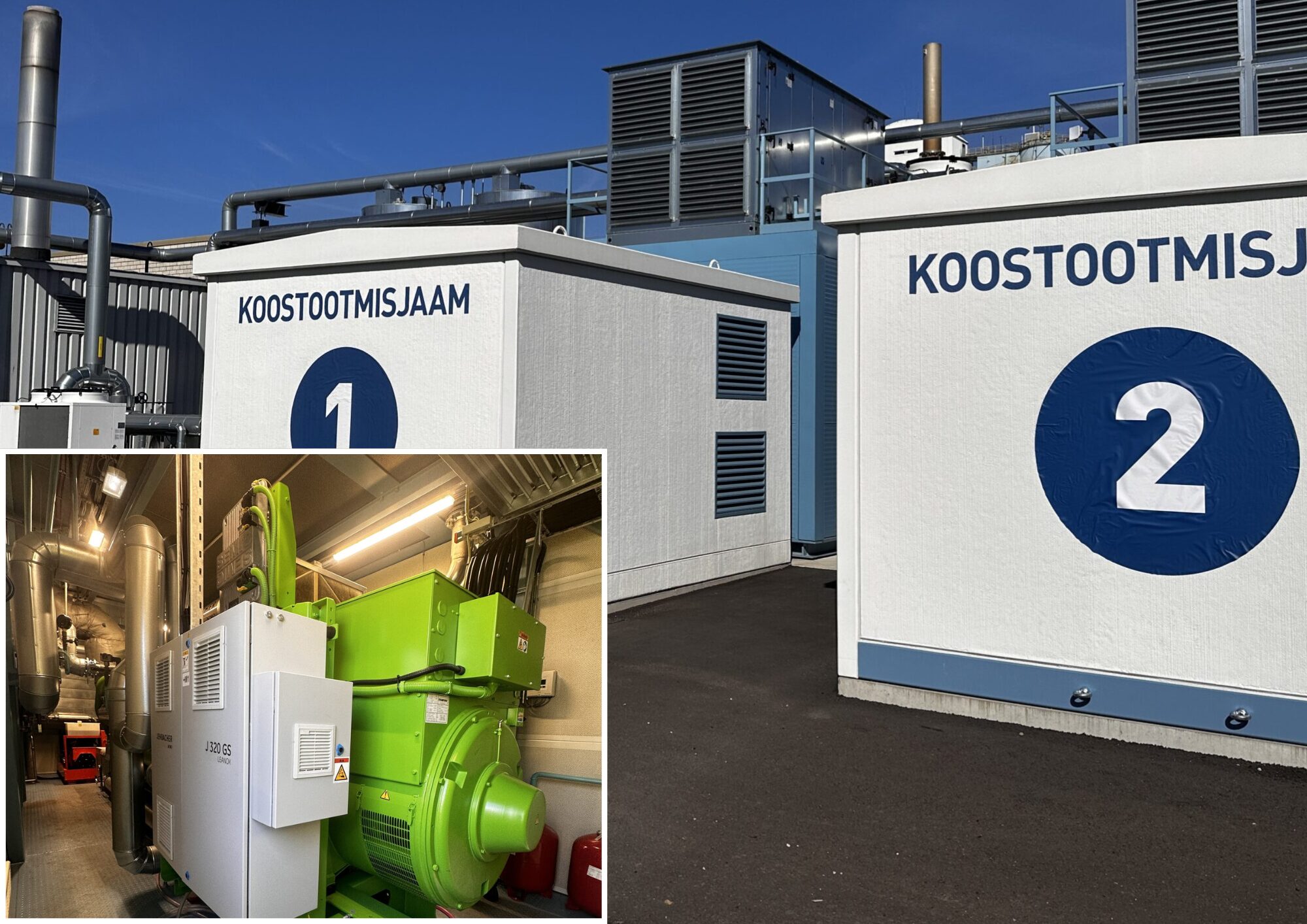
Vienojošais elements ir ātri pieejama, modulāra un vadāma elektroenerģijas ražošanas jauda. Energosistēmām kļūstot sarežģītākām, energoapgādi vairs nevar uztvert tikai kā pašsaprotamu saimniecisku funkciju – tā kļūst par stratēģisku infrastruktūras jautājumu.
FILTER palīdz klientiem izvērtēt, projektēt, izbūvēt un uzturēt Jenbacher gāzes dzinēju risinājumus datu centru energoapgādei, rūpniecības uzņēmumu elektroenerģijas ražošanai, koģenerācijai un elastīgai elektroenerģijas ražošanai.
Vai vēlaties izvērtēt, vai Jenbacher gāzes dzinēju elektrostacija būtu piemērota jūsu projektam? Sazinieties ar FILTER, lai pārrunātu tehniski un ekonomiski piemērotāko risinājumu.